The town closed over his story for a hundred years.
The paper didn’t.
◆ ◆ ◆
Lawrence Carey was a McCoy by blood — a grandson of Daniel McCoy, a nephew of Randall — who rose in the Hatfields' own county to hold Logan's offices one after another: constable from November 1904, fire chief in 1923 and again in 1925, and by December 1926 chief of police. In May 1927, in the middle of his own murder trial, he died in his house on High Street, and the town closed over the story for a hundred years. This book is his great-great-grandson's attempt to lay the whole of it out on paper — and this site is where the paper lives.
The printed book tells the story. Everything underneath the story — the full Source Notes, section by section, the documents themselves, the people, the family tree, and the photographs with their provenance — is kept here, open to any reader who wants to check the work. Where the record corrects something the book or the family once had wrong, that is posted here too, on the Corrections page.
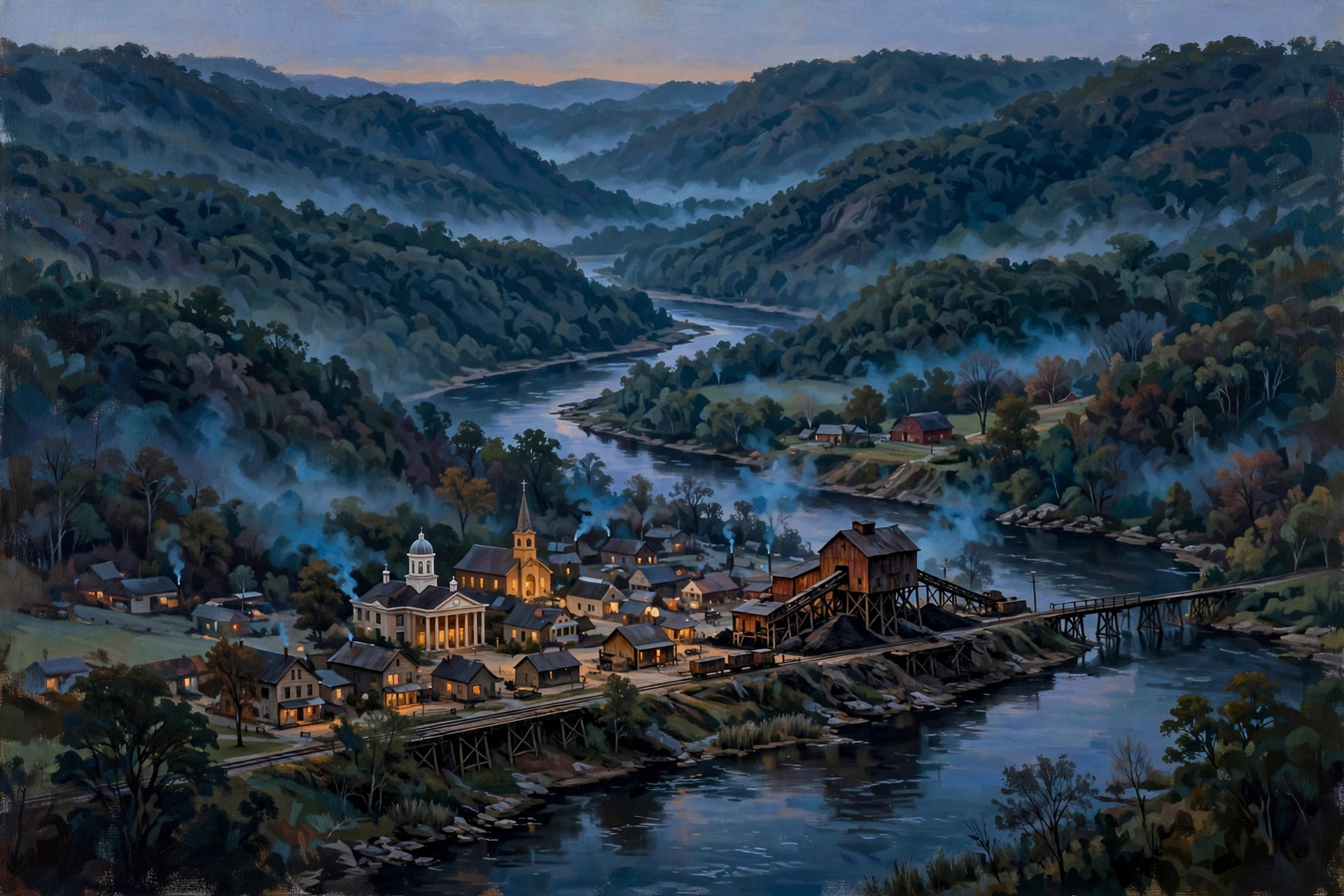
Tap the picture to blow it up
“The family kept his face. Malissa kept his portrait wrapped in brown paper, the way people keep the things they mean to last.” From Chapter Eight — “No Exceptions”
interactive tree
Start Here path
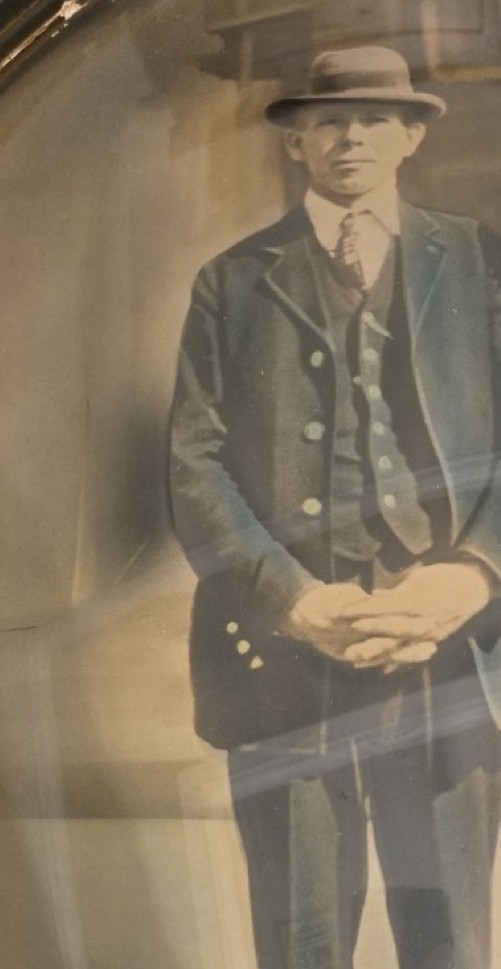
Meet Lawrence Carey 1869–1927
A McCoy by blood, raised in Logan, trusted with every badge the town had to give. This is the one portrait the family kept of him — the face this book sets out to clear.
What is here
The Book
Fourteen chapters, from Abner Vance's hanging in 1819 to the machine that outlived Lawrence Carey. Chapter list and the shape of the story.
Source Notes
The proof layer of the book — every claim graded: record, period print, family telling. Sample: the notes to Chapter Eleven, “The Firehouse Killing.”
Documents
The records themselves — death certificates, census pages, draft cards — each with its citation, so any reader can pull the same page.
People
A searchable index of the men and women in the story. Search a name; every person carries a line of identity and, for the principals, a fuller entry.
Family Tree
How the Careys, McCoys, Hatfields, Vances, and Chafins join. Click a person and follow them around — then ask for their line to Lawrence Carey and watch the road light up.
Photos
The family's photographs, cleaned and captioned — each with its story, a line from the book, and its provenance.
Timeline
The whole story on one line — 1819 to 1971, hanging to machine, so you can see where every man stood and when.
The Country
An interactive map of the Tug Fork country. Tap a landmark — the statue, the burning house, the courthouse, the firehouse — and it tells you its story.
41 High Street
41 High Street — the house Lawrence died in, and Malissa held for forty-three years after. One address, whole story.
Newspaper Wall
What the papers said at the time, hung side by side — the wires, the hometown sheet, and where each one got it wrong.
Start Here
New to all this? Five stops, in order, and you’ll have the shape of the whole story.
Store Shelf
The book's store shelf, in preview — shirt designs in the site's own colors, State v. Carey among them. Nothing is for sale yet.
Community
A discussion board for readers — questions, argument, and debate over the evidence. A test board is open now for the preview circle; the full forum comes with the finished site.
Research by Larry Lorimer and Omni, his AI research assistant.